Introduction to Mediterranean Markets
Mediterranean markets were always renowned for their colorful displays of vegetables, fragrant spices, and the authentic flavors of the culture. These markets are increasingly popular globally, and individuals are seeking healthier food products, greener alternatives, and natural shopping experiences.
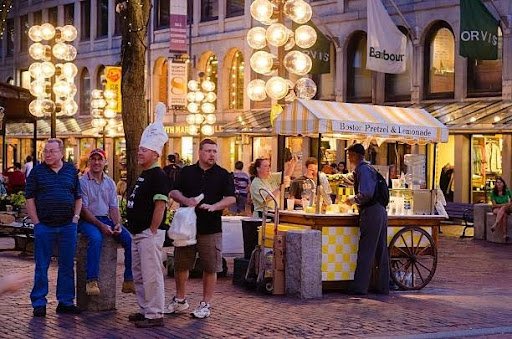
The Mediterranean markets create a feeling of tradition and contact with food, as opposed to supermarkets that appear commercial and rushed. Customers have an opportunity to visit stands where they can find colorful fruit, vegetables, cheese, seafood, and baked bread with the authentic flavor of the land.
The reason behind the increasing popularity of Mediterranean Foods.
Over the past years, there has been an interest in Mediterranean foods due to their taste, as well as their health advantages. Individuals are becoming more aware of their food consumption, and the diets that incorporate fresh fruits, olive oil, fish, and nuts are deemed to be not only healthy but also delicious.
The Mediterranean diet has been termed as one of the healthiest diets in the world, which comes with better heart health, better digestion, and a longer life.
A mix of conventional and new trends in shopping.
The Mediterranean markets are special in that they retain their traditional aspect, even though they are also changing to contemporary shopping practices. It is possible to find old-fashioned stalls and family-owned businesses selling handmade bread, freshly pressed olive oil, and special spices kept for generations.
Simultaneously, technology has also come with digital payments, online ordering applications, and sustainable packaging materials. This combination of the old and the new convenience makes shopping at these markets fun for all age brackets.
The Fresh Foods in the Mediterranean Markets.

Fruits and vegetables that are in season.
Availability of seasonal fruits and vegetables is also one of the primary attractions of Mediterranean markets. Contrary to commercial supermarkets, where most of the produce is usually imported from distant locations, the Mediterranean vendors specialize in locally produced and in-season products.
This is because you will find that the shopper is able to take juicy oranges during the winter season, tomatoes when it is hot, and the greens all year round.
Olive Oil, Spices, and Herbs
There is no complete Mediterranean market minus olive oil, herbs, and spices that offer the authentic flavor of dishes. Olive oil is commonly referred to as the liquid gold, as it is an essential part of Mediterranean cuisine.
Varieties of the extra virgin to flavored with chili, lemon, or even garlic varieties are also available to the shopper. Stalls are full of aromatic herbs such as oregano, basil, thyme, and rosemary, which give dishes their characteristic flavor along with olive oil.
Fresh Seafood and Meats
The Mediterranean food is dominantly known as seafood and lean meat, and markets are the best spots to have them fresh. Seafood lovers can have unlimited options, whether in entire fish such as sea bass, sardines, and anchovies or shellfish such as clams and shrimp.
Some butchers offer lamb, chicken, and beef, which are usually locally produced and do not contain any of the preservatives that are not essential.
Real Breads, Cheese, and Dairy.
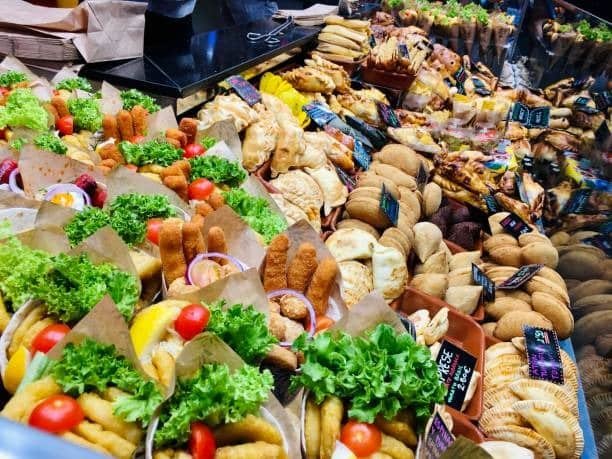
Several Mediterranean markets are also characterized by their tastes in freshly baked breads, artificial cheeses, and dairy products. Bread, Pita bread, focaccia, and crusty loaves of natural ingredients are available to shoppers with no preservatives.
These breads are best served with dips such as hummus, baba ghanouj, sh, or olive spreads. Cheese stands are also quite enticing with feta, halloumi, ricotta, and other types of cheese made of goat, sheep, or cow milk.
Shopping Trends

Emerging Organic and Sustainable Produce.
The emergence of organic and sustainable produce is one of the largest shopping trends in the Mediterranean markets. Human beings have become more conscious of the impact that their food preferences have on their health and the environment.
This consciousness has brought great pressure on the need to have organic farming practices that do not use dangerous pesticides and chemicals.
Home Delivery and online shopping.
Due to the emergence of technology, the Mediterranean markets can no longer be accessed by walking through them. Currently, most vendors have come up with an online shopping system and delivery to their homes to address the needs of their customers.
This will come in handy, particularly among busy employees or families that might lack time to go to the market physically.
Blending of Local and International Foods.
The Mediterranean markets are also experiencing increased integration of local and global food. Although these markets are characterized by the use of traditional recipes, vendors and chefs are exploring new flavours to appeal to a wide variety of customers.
To illustrate this, Asian-themed sauces can be added to the falafel wraps, or seafood can be topped with the Latin spices.
How to Shop at the Mediterranean Markets.
How to identify New and original Products.
The experience of shopping at the Mediterranean markets is exciting, and one has to know how to identify fresh and original products. The color of fresh fruits and vegetables must be bright, the feel of the products must be hard, and the bruising must not be too excessive. In purchasing seafood, watch out for clear eyes, shiny scales, and a clean smell.
Extra virgin oil or cold-pressed oil should be noted on the labels, and the oils are supposed to be stored in dark glass bottles so that they do not affect the quality of the oil. In the case of bread and cheese, one can normally tell freshness, as it appears through taste and smell. True products usually have accounts of the vendors regarding the location or production of the item.
Negotiation and Developing Relationships With Suppliers.
The pleasure of Mediterranean markets is the part of communication with sellers, and bargaining is frequently involved. In contrast to supermarkets, where the price is set in stone, most markets do not rule out bargaining, particularly when one is buying in large quantities. Bargaining is not only about money saving, but it is also a cultural aspect that establishes trust and a bond between the buyers and the sellers.
Shoppers who are frequent customers are usually given special offers, free samples, or inside information regarding the freshest products. Traditionally, bargaining is still a way to retain human interaction in shopping, when digital payments are the new norm.
Affordable Shopping Wizards.
Most individuals think that Mediterranean markets are hardly affordable, this is apparent given the right strategies, they can be quite affordable. A clever thing to do is to shop later in the day with the vendor, as they tend to reduce prices as time runs out to clear their stock.
The other hack that can be of help is to purchase seasonal foodstuffs, which will be cheaper and more nutritious compared to imported goods. It also saves money when it comes to purchasing in bulk, particularly when it comes to items such as olive oil, spices, or grains.
Medical Advantages of a Mediterranean Diet.
The Nutritional Value of Mediterranean Foods.
Mediterranean cuisine is not only delicious, but it is also loaded with nutrients that are beneficial to health in general. Fresh fruits and vegetables are good sources of vitamins such as A, C, and K, and fiber to help digestion.
The fats that are present in olive oil are healthy and good for the heart, and the nuts and seeds supply protein and minerals. Fish foods provide omega-3 fatty acids, which are crucial to the health of the brain, and dairy meals such as yogurt and cheese provide calcium and probiotics.
Long-term Health and Lifestyle Benefits.
The Mediterranean diet could be called more than a mere trend; it is a long-term beneficial lifestyle. It has been discovered that individuals who adhere to this diet are not affected easily by heart disease, obesity, and diabetes.
It is also associated with better brain performance and less susceptibility to memory-related diseases such as Alzheimer’s. In addition to physical well-being, this dietary pattern promotes conscious meals and interpersonal relationships, where the Mediterranean countries appreciate eating with family.
Conclusion
The Mediterranean markets of the future are not simply a shopping place but rather a cultural experience with its atavism and modernity, as well as health advantages. These markets have a great selection of fresh and tasty fruits, seafood, as well as original breads and olive oil.
Today, customers are more concerned with organic foods, sustainability, and convenience, which is why online shopping and home deliveries are also emerging as a trend. Meanwhile, the real essence of bargaining, developing the relationship with the vendors, and finding new tastes are also well preserved.