Introduction to the Single Electricity Market
One of the most significant developments in the modern energy industry worldwide is the Single Electricity Market (SEM). It was to unify various electricity markets into a single platform, which would allow the energy trade to become easier, more efficient, and cost-effective for both the governments and consumers.
As the global demand for electricity increases, nations are becoming aware of the need to have interrelated power grids that will enable them to share resources and ensure energy security. SME will have turned out to be a fundamental ingredient to energy security, sustainability, and affordability.
What is the Single Electricity Market?

Single Electricity Market (SEM) Single Electricity Market (SEM) is the name that is used to signify a type of electricity trading in which several countries or regions unite to share power resources under a set of rules.
The SEM unites the individual countries instead of operating the energy market in isolation, where electricity can be freely traded across countries. This enhances the electricity supply since once one country has a deficit, the other can intervene and supply power immediately.
Historical Background and Development.
The process of the development of the Single Electricity Market started many decades ago when nations started to understand that energy systems, which were isolated, were rather expensive and ineffective.
The notion grew stronger in the early 21st century in Europe and has been particularly the case with the collaboration between Ireland and Northern Ireland, culminating in the formation of a cross-border electricity market. In the course of time, the significance of integration became known to more regions, which increased its use.
The major advantages of the Single Electricity Market.

Reduced Energy expenses for the consumers.
Among the most evident benefits of the Single Electricity Market, it is possible to mention the lower costs of energy to households and businesses. When there are more than two providers in the same framework, the forces of maintaining prices in the market are automatically augmented.
Consumers are no longer dependent on a single local supplier, and thus, they have the freedom to select an alternative provider who has better rates and services to offer. Also, through SEM, electricity production is optimized with respect to the cheap and cleaner energy sources like renewable energy being employed first before the expensive fossil fuels.
Greater Competition among Providers.A
A single electricity market provides an environment of healthy competition by opening the market to a variety of providers of energy. Historically, consumers were not given a choice on energy production because of the large number of companies or two companies supplying most of the country.
The smaller energy providers, such as renewable energy companies, would be able to get involved in the market and compete with the established players with the SEM. This spurred innovation in that the companies came up with smarter and better technologies, improved customer service, and flexible energy plans to lure customers.
Better Reliability and Energy Efficiency.
The main strengths of the Single Electricity Market are energy efficiency and system reliability. The SEM helps to eliminate wastage by linking various areas, hence electricity is directed to the region that requires it most.
As an example, when one part of the world generates more wind or solar energy, it could immediately be sent to the other parts of the world experiencing shortages. This not only avoids blackouts but also utilizes as much as is available.
More Effective Incorporation of Renewable Energy.
The integration of renewable sources of energy is also one of the greatest successes of the Single Electricity Market. Wind and solar power are renewable, which makes them rather unpredictable since they are subject to weather conditions.
In the absence of international collaboration, a nation that produces excessive renewable energy may end up squandering it, while another nation encounters scarcity. The SEM addresses this issue by developing a flexible system, whereby the renewable energy can be distributed across borders to take full advantage of it.
Significant Issues of the Single Electricity Market.
Barriers To Regulatory and Policy.
Out of its numerous advantages, the Single Electricity Market has its share of challenges, and one of the most serious challenges is the complexities of regulation. The various countries tend to possess different rules, policies, and priorities regarding energy.
It is not always easy to bring these to one framework. As an example, one nation may focus on subsidies on renewable energy, but still another is relying on fossil fuels. In many regions, policies are yet to be harmonized, and this has led to delays in making decisions and diminished market efficiency.
Infrastructure/ Grid Limitations.
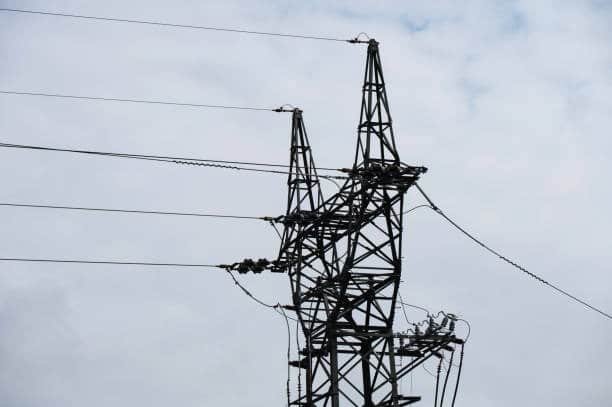
The other issue with a single electricity market is the drawback in infrastructure and power grids. Most of the existing electricity networks were built long ago, for local application, and are incapable of accommodating large-scale energy transport across borders.
This creates bottlenecks, transmission loss, and reliability issues. Some areas have already modernised their infrastructure and have smart grids, digital monitoring, and high-capacity transmission lines, but there are still regions falling behind because of the high cost.
Market Risks and Price Volatility.
The Single Electricity Market is also struggling with the problems of price volatility. The freedom of trade in cross-border electricity can result in the fluctuation of prices because of the demand variations, fuel prices, or the weather, which influence renewable supply.
To illustrate, an abrupt decrease in the wind power production may lead to temporary price surges. Competition tends to equalize costs in the long term, but short-term fluctuations are a worrying factor to both the consumer and the business.
Striking a balance between the National Interests and the Regional Goals.
One of the major issues of the Single Electricity Market is the necessity to work out national energy interests and regional objectives. Countries have their priorities, as some are willing to do everything to maximize the use of renewable energy, and others are interested in cost-effectiveness or energy supply autonomy.
This may cause a rivalry in the establishment of joint SEM policies. As an illustration, a nation that is highly reliant on coal can be opposed to stringent renewable energy goals, whereas another nation with a lot of solar power can agitate towards greener policies.
What the Future Holds and Future Opportunities.
Technological Implications and Smart Grids.
Technology has become a very important factor in the future of the Single Electricity Market. In smart grids, artificial intelligence, and Internet of Things (IoT) devices will be mandatory in the process of controlling the flow of energy.
By using smart grids, electricity can be distributed efficiently across borders, and automatic fault detection and real-time monitoring are possible. The AI systems forecast demand trends, maximize energy storage, and minimize wastage.
Smart meters are also beneficial to consumers, as they provide information on energy usage, which helps save money. These technologies are fundamental to the SEM to be stable and efficient, particularly when renewable energy is gaining more prevalence. With the growing technologies, SEM will keep transforming itself into a more transparent, efficient, and friendly system to consumers.
The Development of Cross-Border Energy Trading.
Among the greatest opportunities, the shift in cross-border energy trade is presented. The SEM generates an open platform that allows electricity to flow freely across countries, enhancing reliability and affordability.
This system is being embraced by more regions, and by doing so,o they can sell renewable power and minimize their reliance on imports of fossil fuels. This not only guarantees the security of energy but also enhances regional cooperation.
Increasing Renewable Energy in the market.
The Single Electricity Market has seen renewable energy become a support of the market. A large portion of cross-border electricity trade is currently constituted by wind, solar, and hydro.
The SEM would enable the nations that have an excess of renewable energy to sell it to those that experience a shortage, so that no renewable energy is wasted. This is not only a way of reducing carbon emissions but also to attain the worldwide climate goals. It is also benefiting the consumers because renewable energy is becoming cheaper compared to fossil fuels.
Policy Changes and International Co-operation.
The policies and international cooperation are crucial to the success of the Single Electricity Market. Most governments will be changing their attention to green energy, carbon neutrality, and sustainable development.
This has resulted in new deals that favour renewable integration, smart grid investments, and fair market practices. Nevertheless, to attain success in the long term, the collaboration between countries is to be continued.
Conclusion
The Single Electricity Market has changed the manner of electricity production, trading, and consumption. It has certain obvious advantages, including reduced costs, augmented competition, enhanced efficiency, and increased use of renewable energy/.@.
Nonetheless, it also has its own setbacks, such as regulatory limitations, infrastructure constraints, price fluctuations, and national wars. Knowing the strengths as well as the weaknesses of the SEM, the policymakers and all the stakeholders will be able to strive to develop better and more effective systems that will benefit all.