What is a Halal Market?
The halal market has evolved to be a niche category of rapidly expanding industries globally. Things that only applied to the Muslim communities are now attracting the attention of global businesses, investors, and even non-Muslim consumers.
The word halal, which is translated as permissible in Arabic, is no longer applied to food but is now applied to cosmetics, healthcare, pharmaceuticals, tourism, finance, and fashion. The halal market has become one of the key components of the world economy with the rapidly growing number of Muslim people, increased awareness of food safety, and demand for ethical products.
Comprehending the Halal Market.
What Does Halal Really Mean?
Halal is the Arabic word that means permissible or lawful as per the Islamic law. When applied to food, halal is used to mean food that has been prepared in line with specific dietary requirements, wthatcheck certain foods such as pork, alcohol, and meat that is not slaughtered properly.
Nonetheless, halal does not simply relate to food but is a notion of lifestyle including cleanliness, safety, fairness, and ethical conduct. To illustrate, there are no toxic substances in halal cosmetics, and halal finance does not seem to make transactions with interest. The real definition of halal extends beyond the religious practice – it is purity, health, and trust.
Global Acceptability of Halal Products.
Previously, the production of halal products was confined to the Muslim-dominated countries. However, nowadays the demand is international. Both the United States, the United Kingdom, Australia, and Canada are boasting of a tremendous growth in businesses that are halal certified, whether it is restaurants and supermarkets, or even the personal care brands.
Global food chains are now coming up with halal menus to appeal to the Muslim markets, and international beauty brands are coming up with halal-certified lines of cosmetic products. This international recognition is evidence that halaal is no longer a matter of a religious necessity but a reliable quality and safety standard.
Increasing Demand for Halal Products.
Increased Muslim Population in the world.
The increasing number of Muslims around the world is considered to be one of the strongest forces of the halal market. Reports indicate that Muslims comprise almost a quarter of the global population, and the figure is bound to increase tremendously within the next few years.
The high rate of population growth among the young generation guarantees the sustainability of the demand for halal products in various categories in the long run. Urbanization is forcing increasing numbers of Muslims to be on the hunt for convenient halal products like ready-to-eat meals, halal fast food, and packaged products.
Non-Muslim Consumers Moving to Halal.
Surprisingly, halal products are not only consumed by Muslims. The non-Muslim customers are becoming more and more drawn by the halal-certified products as they are perceived to be safe, clean, and ethically sourced.
As a case in point, halal meat can be reckoned healthier since its processing is done in accordance with the highest hygienic requirements. On the same note, the goods of the halal cosmetics are not contaminated with animal-derived substances and harsh chemicals, so they can be attractive to vegan and environmentally friendly consumers.
Influence of Trends in Health and Wellness.
Another significant force behind the halal market is the international trend of health and wellness. Customers have become conscious about what they are eating, wearing, and putting on their bodies. They desire natural, clean, and ethically sourced goods, which is just in line with the halal.
Halal certification is used to ensure that products do not contain harmful substances, artificial ingredients, or unethical activities. This predisposes halal products, in particular, to the demand for healthy alternatives. Halal organic and plant-based products in the food industry are in high demand.
The Major Trends that will influence the Halal Market.
Growth of Halal Food and Beverages.
Food and drinks have been the staple of the halal sector, and their sales will be expected to keep rising. Fast food chains, fine dining restaurants, and packaged food companies are now introducing halal-certified products to attract more customers.
Especially popular among the urban families and working professionals are ready-to-cook products, halal snacks, and frozen products. In addition to the conventional meat and poultry, plant-based halal foods are becoming more popular as consumers seek healthier and greener options.
Cosmetics and Personal Care: Halal Cosmetics and Personal Care Growth.
Halal cosmetics and personal care products have brought the beauty industry to a new era. As a result of the safety and transparency that are associated with the products, it is inferred that more consumers will be purchasing halal-certified skincare, makeup, and haircare products.
Halal cosmetics are not prepared using animal fats, alcohol, and toxic chemicals and are, therefore, acceptable to delicate skin and other environmentally minded consumers. This is mostly a favorite segment among young women in Asia, the Middle East, and Western nations that have an increasing number of Muslims.
Halal Pharmaceuticals and Healthcare.
Another area that is becoming important with halal certification is healthcare. Most of the medicines, supplements, and vaccines are made using animal products or alcohol, and this could not pass unnoticed by Muslim consumers.
As early, the pharmaceutical companies are investing in halal-certified alternatives that are safe, compliant, and trustworthy. Halal vitamins, herbal supplements, and wellness products are highly demanded in Asia and the Middle East. Hospitals and clinics are also embracing the use of the halal standards in order to offer better services to the Muslim patients.
Internet Sites to advertise Halal Products.
Technology is transforming the halal market through digital platforms by making products more reachable. E-commerce stores, mobile applications, and online marketplaces specializing in products certified by Halal are increasing.
Such platforms simplify the process of consumers locating real halal products, comparing certifications, and shopping globally. Social media marketing is not left behind, as influencers and halal lifestyle bloggers are also marketing products to a broader population.
The Halal Industry Business Opportunities.

Small Enterprise in the Halal Space.
Small businesses and startups have a lot of opportunities in the halal market. Small entrepreneurs can also vie in the halal sector with the emergence of online spaces and cheap certification services.
A local bakery can serve as an example since, when becoming halal-certified, the customer base would increase, whereas a small skincare brand can seek to acquire eco-conscious customers with halal personal care items.
Export Potential of Halal-Certified Products.
The demand for Halal products is growing all over the world, and this offers massive export prospects to businesses. The leading exporters of halal food, cosmetics, and pharmaceuticals are the countries with well-developed systems of halal certification, like Malaysia, Indonesia, and the UAE.
The companies that specialize in halal exports will get access to the rapidly expanding markets in Asia, Africa, Europe, and North America. Halal-certified products not only import but also foster the revenues, confidence, and recognition in the brand across the world.
Franchise and Retail Workings.
The halal industry is growing at a fast rate in franchising and retail. The possibilities are limitless with halal fast-food chains, halal supermarkets, etc. Global restaurant chains are establishing halal-certified outlets in the Muslim-majority areas, with local entrepreneurs establishing halal franchises in Western countries to cater to the increasing number of Muslims.
Retail chains are also setting aside their space on halal-certified products, making it easy to shop. There will be increased halal fashion stores, halal cafes, and halal pharmacies that will offer greater diversity to consumers.
The Problems of the Halal Market.
Standardization and Certification Problems.
The absence of global certification regarding the issue of the halal market is one of the greatest challenges of this market. Halal certification bodies vary from country to country, and at times, they do not meet their requirements.
This confuses both the businesses and the consumers. As an illustration, a certificate of halal in Malaysia might not be accepted in Europe, and hence restrict exports.
Ignorance in Certain Areas.
Although the halal industry has been growing rapidly, there are still areas where awareness of halal industry products is limited. Most consumers, particularly in non-Muslim nations, do not know what halal really is and how it can be of benefit to them.
Other businesses are afraid of venturing into the halal market due to the perception that this is only a market dedicated to Muslims, and thus, they will be losing the opportunity to reach a broader market.
The challenge with the Conventional Products.
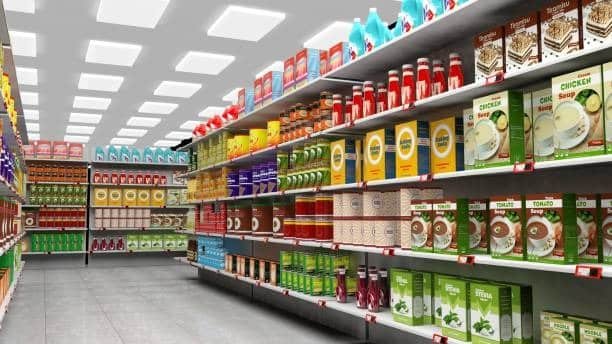
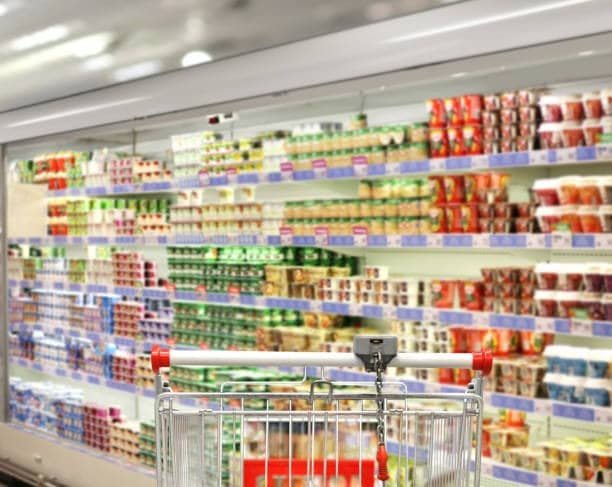
The conventional goods also compete with the halal industry, which tends to be crowded with ordinary goods on the retail stores’ shelves. Non-halal products can occasionally be less expensive or more accessible, and it is difficult for halal-certified products to compete.
Moreover, the presence of well-established international brands in the food, beauty, and healthcare industries already ensures customer loyalty, making it more challenging to enter the mainstream market with halal products.
Conclusion
The halal market is growing at an impressive rate, and this has been fuelled by the increase in the Muslim population, the health-conscious consumers, and the acceptance of halal standards in the world.
Halal becomes not only about compliance with religion but about trust, morals, and sustainability. The industry is growing in all aspects, including food and beverages, healthcare, and digital platforms, which provide enormous business and entrepreneurial opportunities.